- The variety of electric cars on the market continues to grow, and that will continue throughout 2026, with a number of important EVs set to hit the market this year.
- Thanks to reduced battery costs and improved production techniques, this also includes a number of new ultra-affordable EVs, making the electric car market more accessible than ever.
- 2026 is shaping up to be one of the best years yet for those on the market for a new electric car. These are the new and upcoming EVs to look out for in 2026, which achieve new highs when it comes to combining value, technology, and performance.
New electric cars to look out for in 2026
Volkswagen ID. Polo
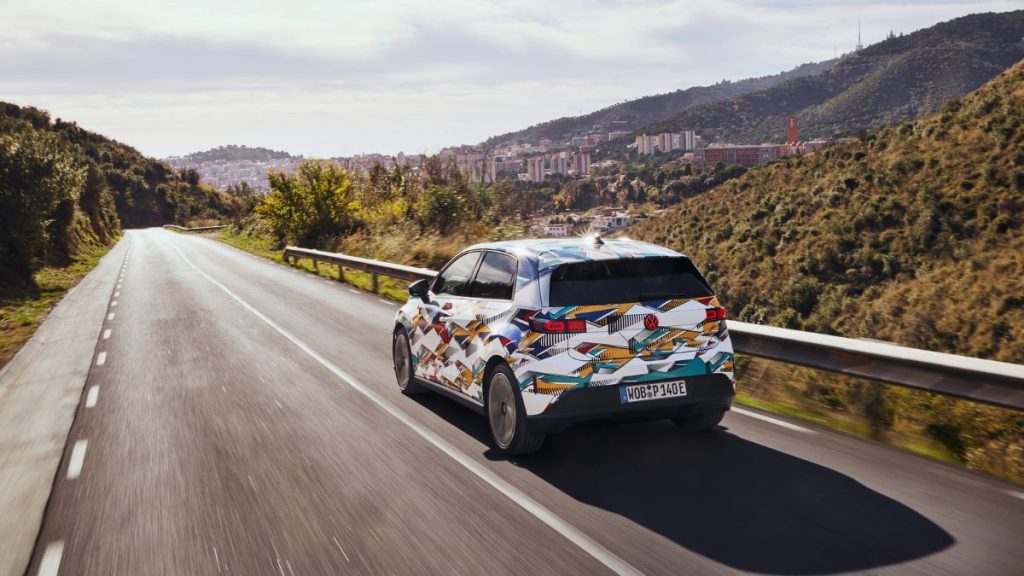
The Volkswagen ID. Polo will mark the first time that the Polo has been made available in fully-electric form, over 50 years since the wildly popular Polo model originally entered the market. At a starting price of €25,000, when the ID. Polo goes on sale later this year, it’ll match the outgoing ICE model on price. This will help make the ID. Polo one of the most affordable electric superminis on the market.
The ID. Polo will also be one of first Volkswagen Group EVs to run on the brand new MEB+ EV platform, bringing improved range, efficiency, and charging times. An even cheaper Volkswagen EV, the ID. EVERY1, is also on the way, targeting a starting price of €20,000, but you’ll need to wait until 2027 for that vehicle.
BMW i3
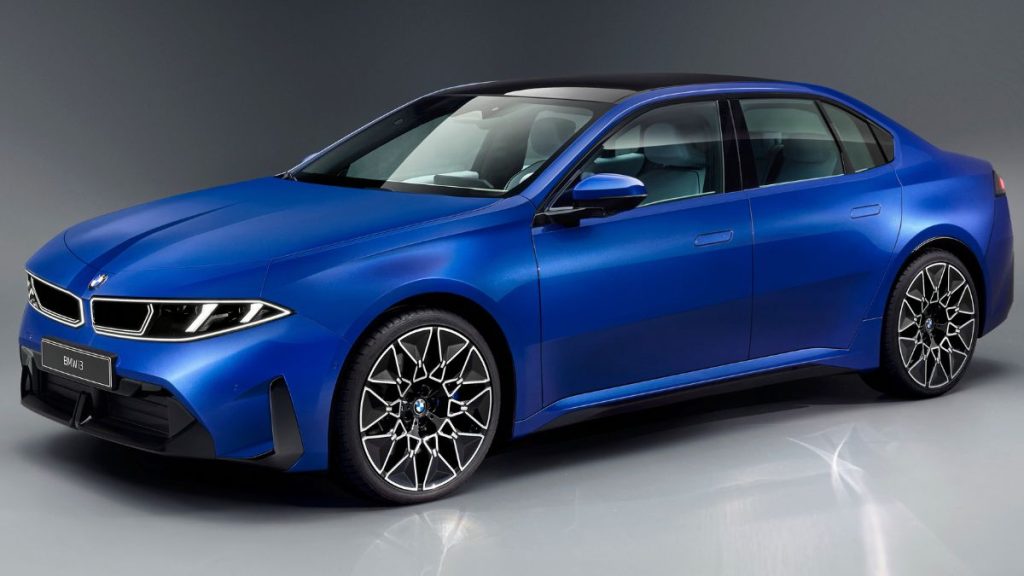
Revealed for the first time in March 2026, the BMW i3 is the all-electric alternative to BMW’s longstanding combustion-powered 3 Series marque. Following the BMW iX3, it’s the second EV to be revealed on the manufacturer’s ‘Neue Klasse’ platform, which brings new levels of efficiency, driving fun, and performance to the table.
In the BMW i3’s case, this translates to a seriously impressive claimed range of 559 miles. That figure will mean different things to different drivers. For those without access to home charging, it could allow for a week or even two weeks of driving without needing to seek out a charger. For high-mileage motorway users, it offers valuable peace of mind on longer journeys. And even for those who might consider such range excessive, the headline statistic still serves a broader purpose, helping to ease the perceived range anxiety that continues to hold back wider EV adoption.
Renault Twingo

Renault has brought back the Twingo model in fully-electric form for its fourth generation, with styling heavily inspired over the original 90s model – which has gained something of a cult following. Set for a market launch in 2026, the Twingo will arrive in Europe with a price point below £20,000 / €20,000 – making it one of the cheapest electric cars available in the region, without compromising on style.
Kia EV2
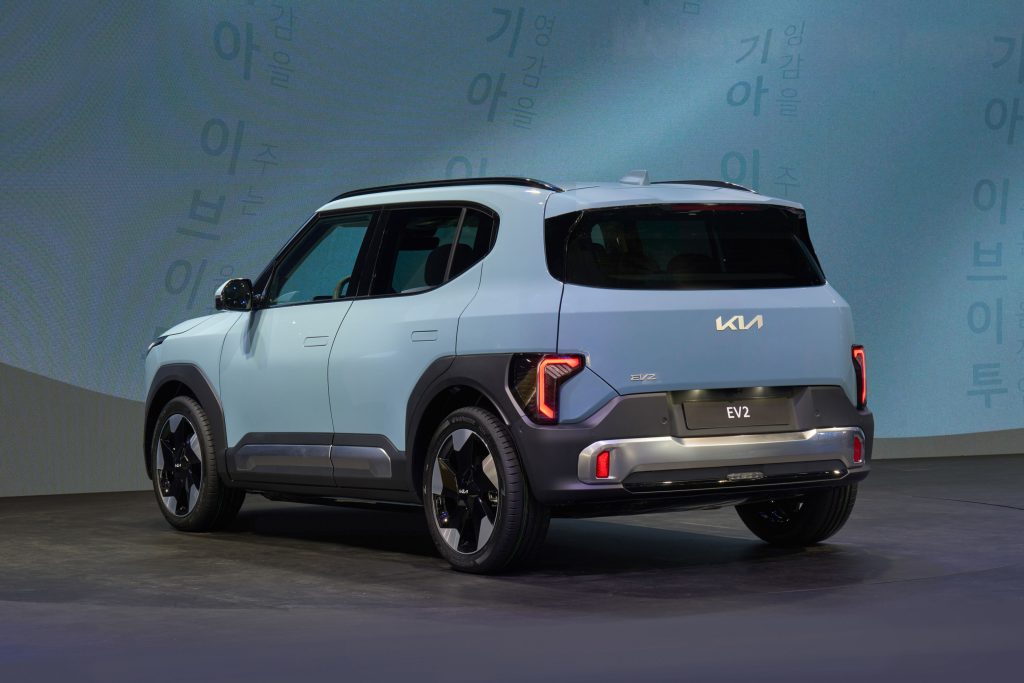
Also revealed in January 2026 was the Kia EV2, which, when it goes across sale in Europe this summer, will become the cheapest electric car offered by Kia – a title previously held by the EV3.
The EV2 enters an increasingly competitive small electric SUV market, which includes models already on the market such as the Renault 4. Despite its small proportions, the EV2 will still be a capable vehicle on longer trips, with an optional long-range battery pack allowing the EV2 to travel up to 281 miles between trips to the plug.
Production of the EV2 began in Slovakia in March 2026, which indicates that order books and customer deliveries will start imminently.
Nissan Leaf
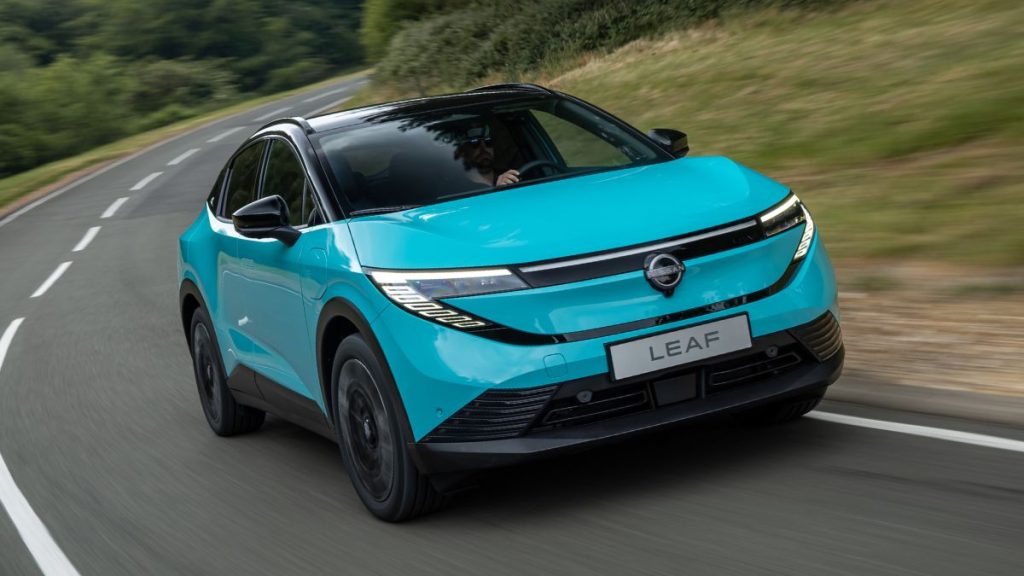
The all-new third-generation Nissan Leaf is being rolled out to markets across the globe this year, and just like the original 2010 Nissan Leaf which was a pioneer of mainstream electric cars, this third generation model is set to be just as revolutionary.
Gone are the days of the original Leaf, which would struggle to crack 100 miles on a single charge. Even with the smallest battery pack option, the new Leaf will still travel 271 miles between charges.
This new model, like its previous generations, also remains an affordable route into EV ownership. In the USA, the third-generation Nissan Leaf is ready to become one of the cheapest new EVs in the country, with pricing there confirmed to start from $29,990 at launch.
Rivian R2
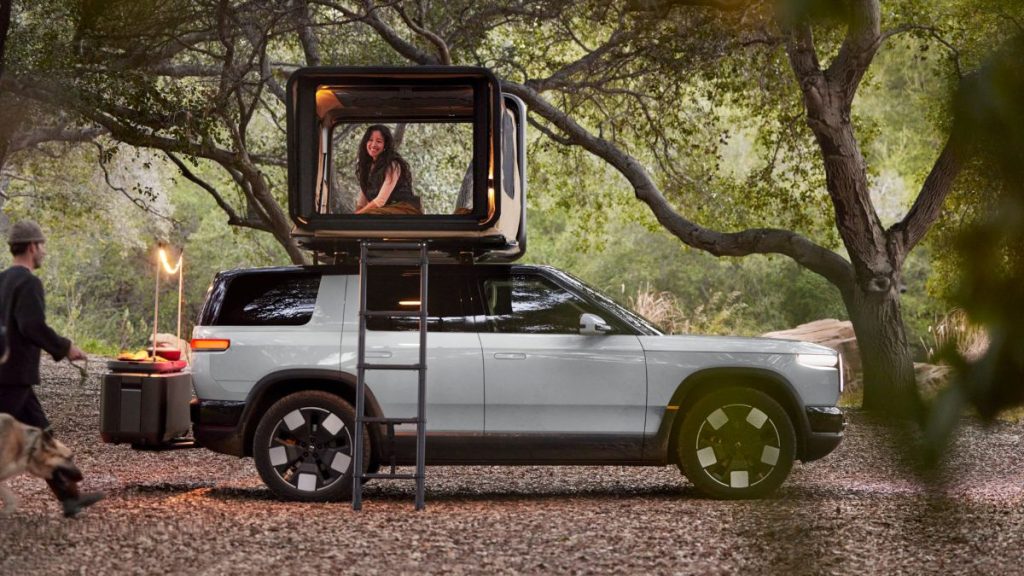
After years of hints and teasers, Rivian revealed its Rivian R2 in March 2026, which will become the most affordable EV offered by the brand yet. With its lower price compared to the R1S and R1T, the R2 is set to further widen the appeal of the Rivian brand.
The R2 will launch in North American markets later this year, but the most affordable $45,000 trim level won’t be available until 2027. Rivian have confirmed that the R2 will come to Europe, but the exact timeframe for it to arrive across the pond is yet to be confirmed.
Honda Super-N

Honda’s initial attempt at an electric city car, the Honda e, was discontinued just four years after launch, owing to lacklustre sales from its high price and poor battery range.
The Super-N will arrive across Asian markets and the UK in 2026, and hope to succeed where the Honda e largely failed. This will be an ultra-compact EV which also looks to appeal to car enthusiasts, with Honda implementing fake engine noises and simulated gear shifts to increase driving fun. Unlike the Honda e, the Super-N is also expected to be priced more reasonably, helping it compete with other small electric cars on the market.