XPENG’s electric SUV-coupe is heading to Europe in both fully electric and range-extender form, and we’ve had our first driving impressions to see how the Tesla Model Y competitor performs on European roads. With prices expected to start from around €35,000, depending on the country, could it conquer an increasingly competitive European EV market?
XPENG L03 becomes the brand’s most affordable EV in Europe
Chinese car manufacturer XPENG has been selling electric vehicles in Europe for a number of years now, and the new L03 is already on sale in several European countries, with right-hand-drive UK sales expected to start in 2027.
XPENG is keen to press home its technology-led approach with the L03. All trim levels are loaded with technology such as an AI-powered voice assistant and a touchscreen-led interface, while the top-spec model supports XPENG’s semi-autonomous ‘Next Generation Pilot’ system, though the feature isn’t expected to be supported in Europe until 2027.
Across Europe, pricing starts at around €35,000 for the entry-level model, rising to around the €45,000 mark for the top-spec model as on test here. UK pricing in particular is yet to be confirmed, but we’d expect pricing to closely match, with a base price around the £35,000 mark. That would significantly undercut the base Tesla Model Y, which starts at £41,990.
First impressions
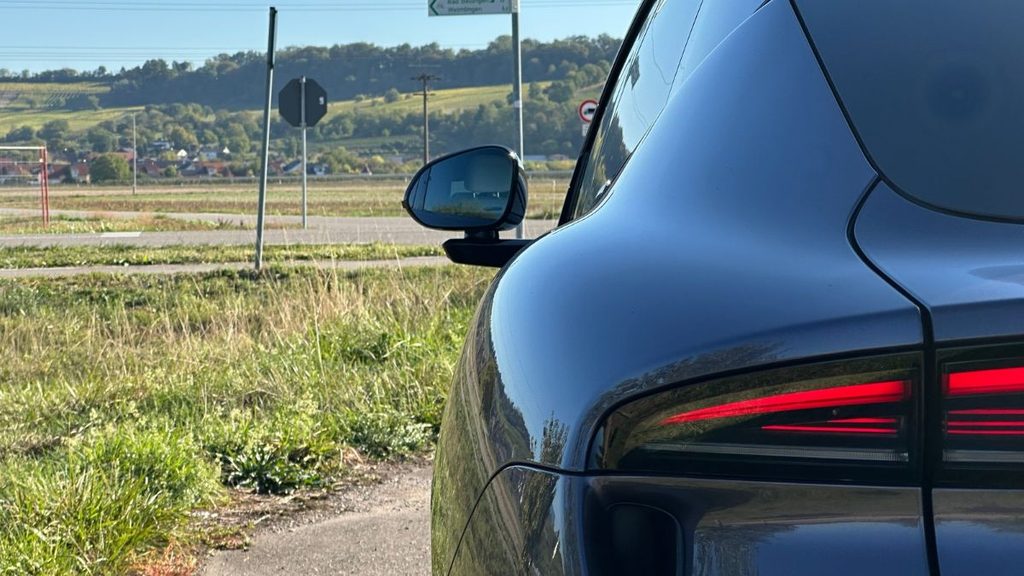
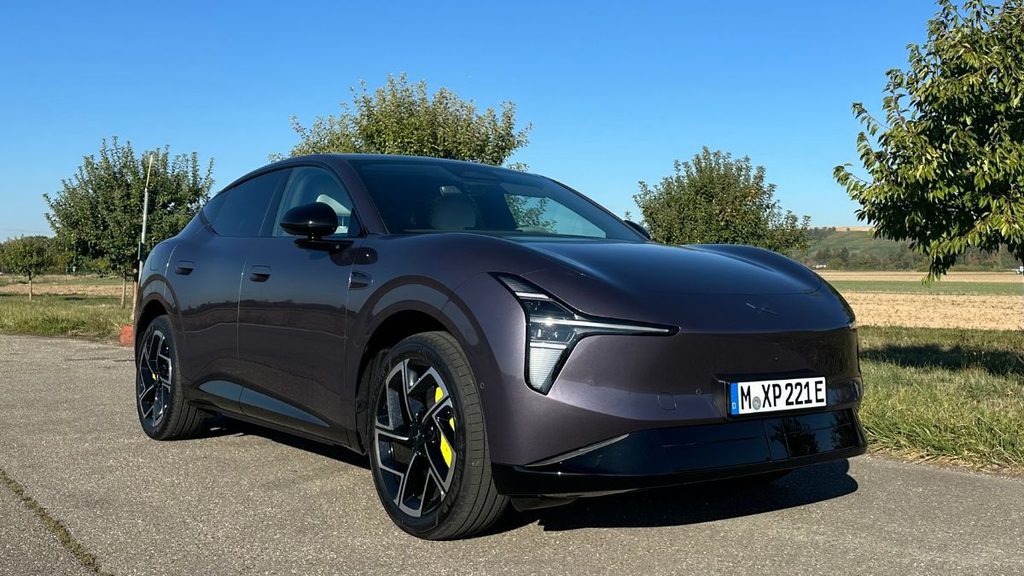
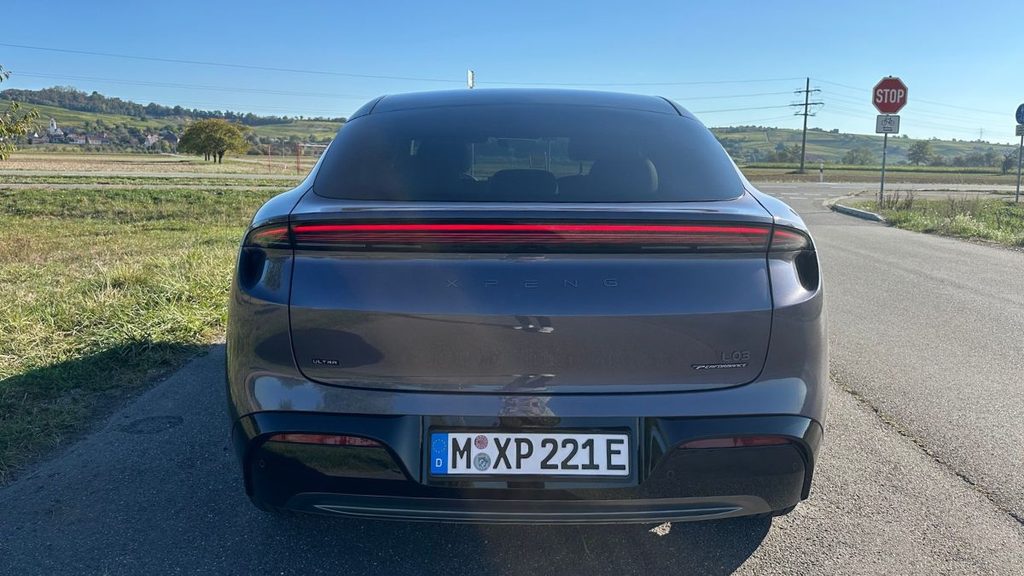
The L03’s exterior and interior design certainly punch above its price. There are strong haunches front and rear, a full-length rear light bar, and a side-on view that has a hint of Ferrari Purosangue towards the rear. That’s no surprise when you consider that the L03’s lead designer, JuanMa Lopez, previously worked at Ferrari, Lamborghini and Audi. The front headlight design has a whiff of Polestar too, but again, that’s no bad thing. Altogether, the L03 is an attractive package, and more of a looker than other electric SUVs in this price range.
Inside
On the inside, the L03 adopts a similar layout to its bigger sibling, the XPENG G6. The wraparound cabin gives a premium feel, along with adjustable ambient lighting. Perceived quality is excellent at this price point, with no squeaks or rattles, a feeling of solidity throughout and well-damped switchgear. Compare it with the interior of something like a Tesla Model Y and it feels well ahead.
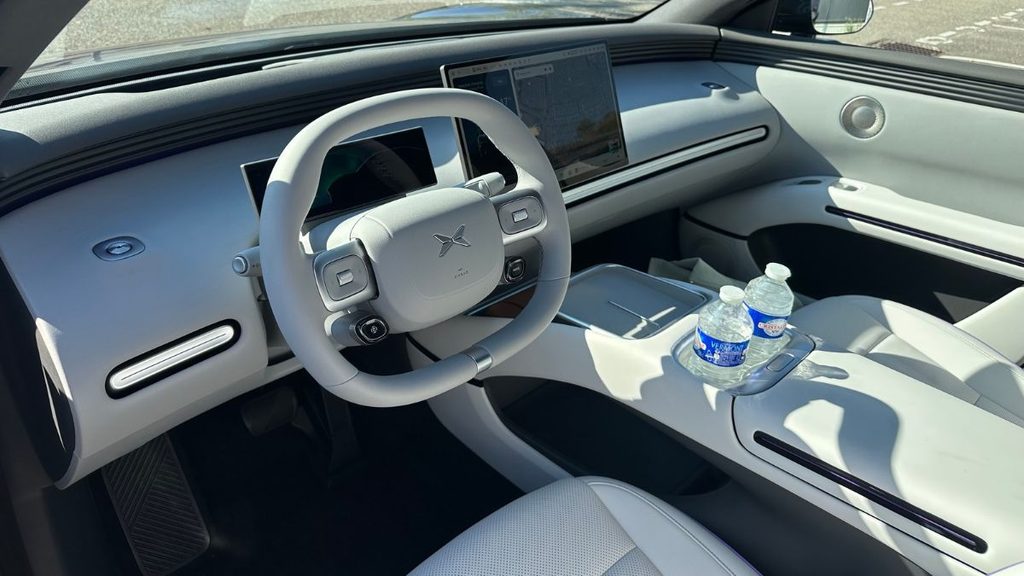
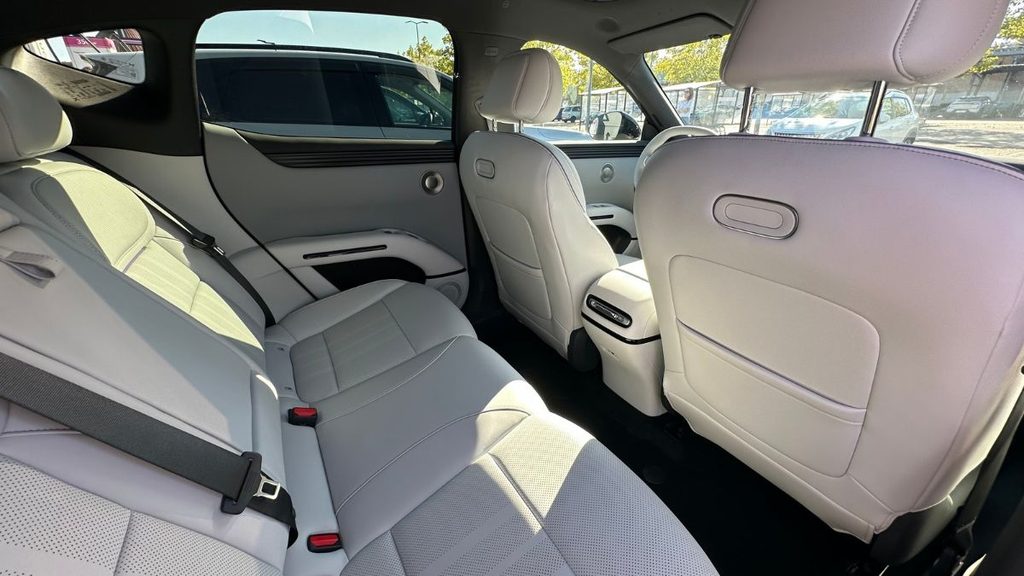
It’s a fairly airy cabin thanks to its light interior colours and panoramic glass roof, which is standard on all models, though its coupe-like shape towards the rear does limit rear visibility. With a car loaded with ADAS systems, the issue is partly mitigated by features like blind-spot monitoring and camera views that appear on the screen when you indicate. If it still bothers you, a camera-based rear view can be shown on the touchscreen while driving.
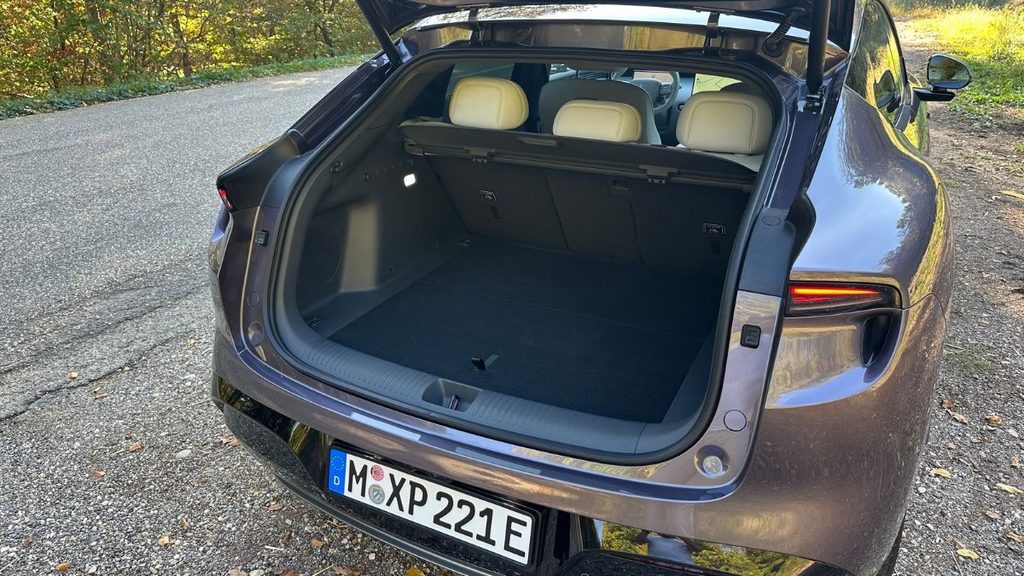
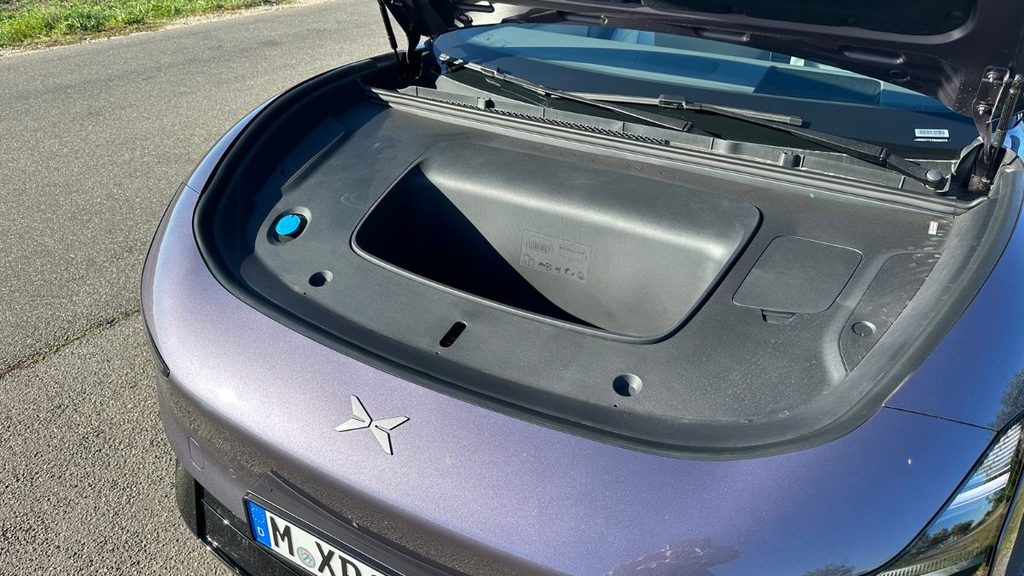
Despite the sloping roof, headroom in the back is still adequate, and there’s plenty of legroom for rear passengers. Boot space stands at 539 litres including the underfloor storage, whilst a front trunk adds further capacity – though the size of that front compartment does vary whether you opt for a rear-wheel-drive or all-wheel-drive model.
Like many Chinese EVs, the L03 takes a screen-led approach, with the vast majority of functions controlled through the central touchscreen, though there are still a handful of physical buttons on the steering wheel. The synthetic leather seats are comfortable on long journeys, and the fronts get adjustable lumbar support plus heating and cooling. The top-spec Ultra adds a massage function with a comprehensive choice of six programmes.
Road, wind and motor noise are also minimal, making the L03 a great motorway cruiser. The Ultra goes further with active noise cancellation that counters road noise, much as a pair of noise-cancelling headphones would.
Infotainment
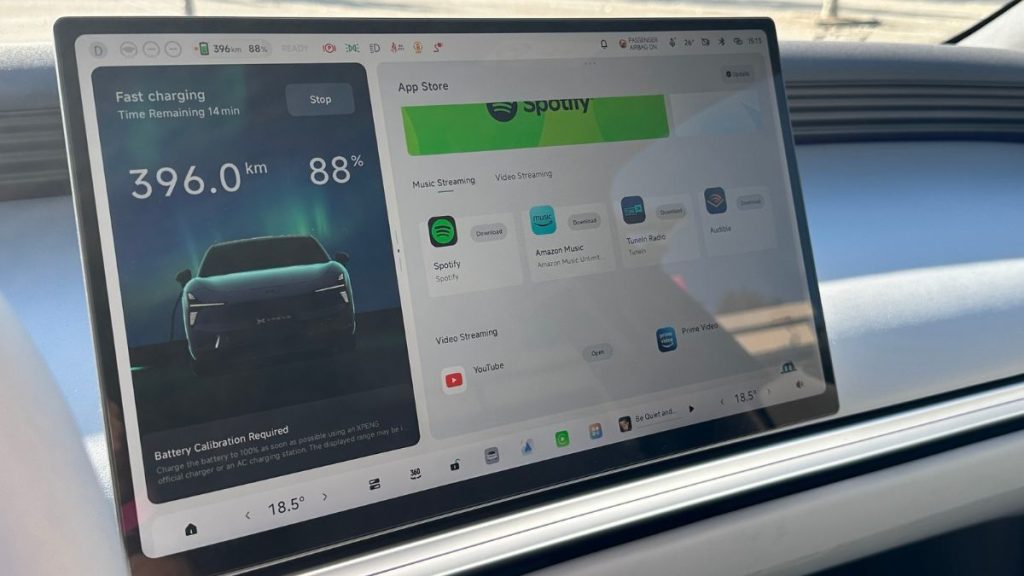
While I’d still like to see the return of physical buttons for key functions such as climate control (brands such as Volkswagen are already bringing them back in some of their latest models), the L03’s 15.6-inch central touchscreen is one of the better ones in the business. An AI-powered voice assistant, always listening for ‘Hey XPENG’, might sound like a gimmick, but in practice, I found it worked well for tasks such as lowering the cabin temperature, changing the radio station or turning on the massage seats without being distracted by the touchscreen while driving.
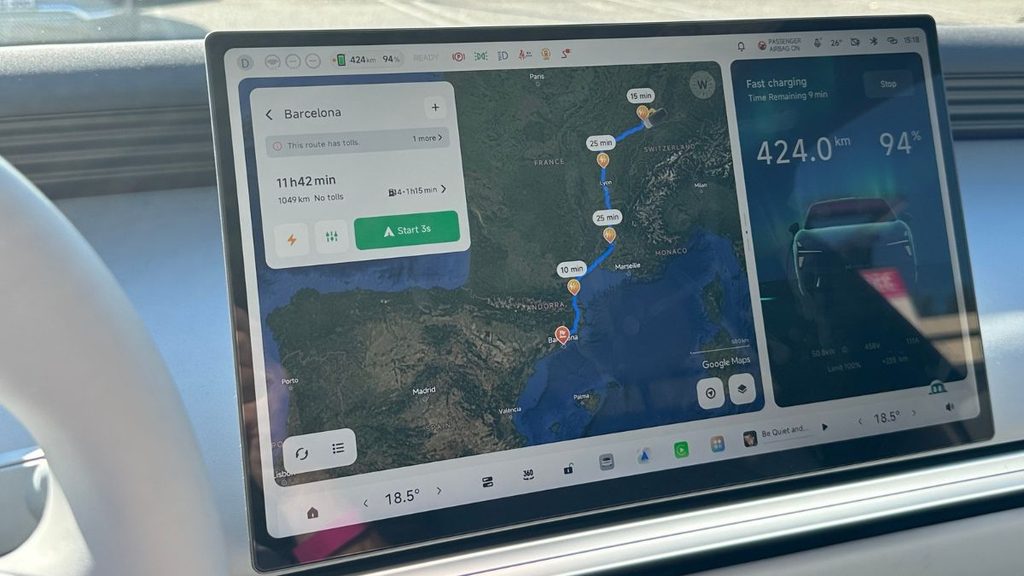
The interface is clear and lag-free, and the built-in navigation is based on Google Maps, so it should theoretically stay up to date with new or changed roads and points of interest. Wireless Apple CarPlay and Android Auto are also available, if you prefer navigation apps like Waze.
Plan a route beyond your remaining range and the navigation automatically adds charging stops along the way. It’s further evidence that, with a growing public charging network, modern EVs are more than capable of long-distance journeys.
Driving experience
Our test car is the top-specification all-wheel-drive Ultra, the most powerful L03 you can buy. With 425 horsepower on tap, it’s no slouch and has more power than you’ll ever need for a daily-driven EV. That power, combined with instant torque, makes overtaking effortless, and a 0-62mph time of 4.5 seconds makes it quicker than most hot hatches – in a straight line, at least.
For an EV weighing the best part of two tonnes, the L03 handles well enough even when you start pushing on, with minimal body roll and keen grip, although you wouldn’t call it sporty due to its lack of steering feel. The all-wheel-drive system on this one also means the tyres aren’t left scrabbling for traction when you make a quick exit from a corner, and should make it a better EV in cold and wet seasons.
Ride comfort on the billiard-table-smooth test roads of Switzerland and France was impressive, with the L03 soaking up the occasional undulations well. However, we’ll reserve full judgement until we’ve driven it on rougher UK roads.
Multiple driving modes are available and can be switched easily via a physical button on the steering wheel. Each is fully customisable for throttle response, steering weight and regenerative braking, and you can disable regen entirely as well as increasing or decreasing its strength. The regen system is well balanced and lets you hold your speed on downhill sections without the lurching we’ve experienced in some other Chinese EVs. Unfortunately, unlike the Tesla Model Y, it doesn’t have true one-pedal driving, as it won’t come to a full stop without you pressing the brakes, as regen dies off at lower speeds.
Charging and range
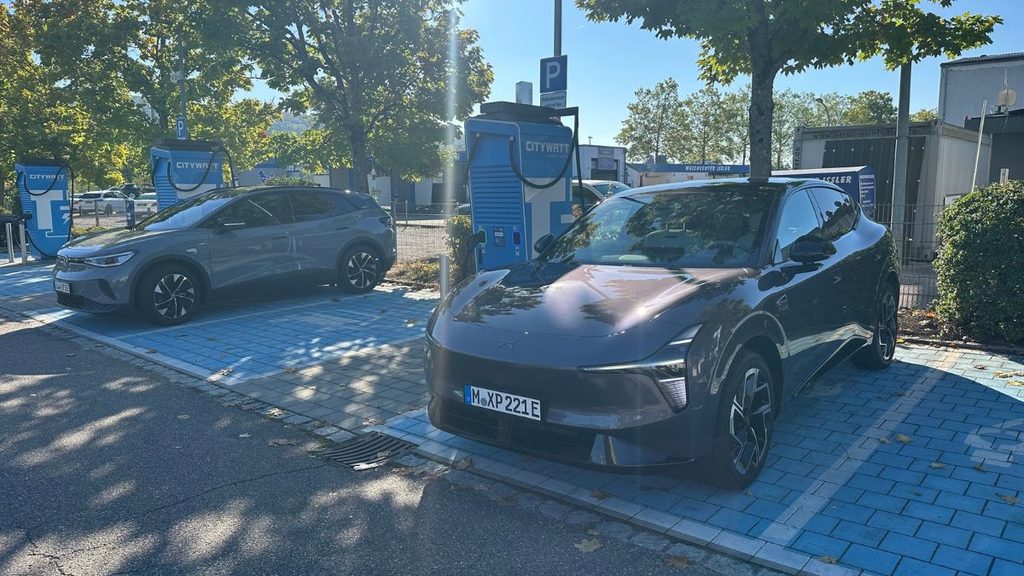
The L03 uses a 400-volt architecture rather than the 800-volt systems found on some of the latest EVs, which has helped keep its price down. Peak charging speed is still a respectable 236kW on this top-spec car, which XPENG says is enough for a 10-80% charge in 20 minutes on a suitably rapid public charger. If you’d be stopping for a break anyway, that wait shouldn’t be an issue.
This particular specification packs a 71.2kWh LFP battery, good for a WLTP combined range of 273 miles (440km). The L03’s low drag coefficient of 0.228 helps keep efficiency high, as do active grille shutters that close when cooling isn’t needed.
If you want more range, XPENG also offers a range-extender version of the L03, which uses a petrol engine as a generator to charge the battery. You still get the silent running and instant torque of an electric drive, but with a total range of over 600 miles (1,000km).
Conclusion
The XPENG L03 makes a strong first impression, and makes a great family SUV. It looks more expensive than it actually is, the cabin quality embarrasses some rivals, and the infotainment is one the better screen-led systems around with clean fonts and fast operation. The top-specification performance model is a properly fast car, while remaining composed in the bends and quiet on a motorway cruise.
However, the 400-volt architecture does mean the L03 can’t deliver the fastest recharging speeds on the market, while the rear visibility suffers due to its flowing body shape, and the heavy reliance on touchscreens won’t be for everyone. These are small complaints though, and we still reckon this is one of the best electric SUVs you can get at this price point, particularly if you’re looking for something with a bit more style than more bland electric SUVs on the market. We also hope that UK pricing is closely matched with existing price tags for the L03 elsewhere in Europe.