A Car Market Split by Generation
- A major new survey from Boston Consulting Group (BCG) reveals a generational insights about the future of electric mobility: EV adoption hasn’t stalled: it’s shifting. And the shift isn’t happening evenly across age groups.
- While 28% of U.S. petrol and hybrid car owners say they will “never” buy an EV, the survey shows that resistance is overwhelmingly concentrated among older drivers. Meanwhile, the study suggests Gen Z and Millennial consumers are will drive EV adoption.
- For automakers, charging networks, energy providers, retailers, and policymakers, the survey’s message is clear: the next major EV growth wave will be powered by young, digital-first drivers.
The Key Findings: Generations Are Divided on EVs
Older Drivers Are the Core of the “Never EV” Group
In a major new report, Boston Consulting group looks at why Gen Z is driving EV adoption, and identifies Baby Boomers and older Gen X drivers as the backbone of the “never EV” segment: those who say they will not purchase an electric vehicle under any circumstances.
Their main concerns reflect well-known barriers:
- Higher upfront cost
- Perceived lack of charging access
- Ongoing range anxiety
- Lower familiarity with EV technology
This consumer group is also the least likely to change entrenched behaviours or adopt emerging tech quickly. Their attachment to combustion engines remains strong, and that sentiment heavily skews the national conversation around EV demand.

Younger Drivers Are the Growth Engine for Electrification
Where older drivers hold back, the study suggests younger drivers are looking to accelerate towards EV ownership. Other research shows that they are applying for automative driving licences in the expectation that they will drive electric.
Gen Z and Millennials are significantly more open, curious, and positive about electric vehicles. According to BCG, younger consumers also show:
- Higher willingness to buy a car entirely online
- Lower brand loyalty, making them more willing to adopt challenger and EV-only brands
- Stronger environmental values and long-term cost focus
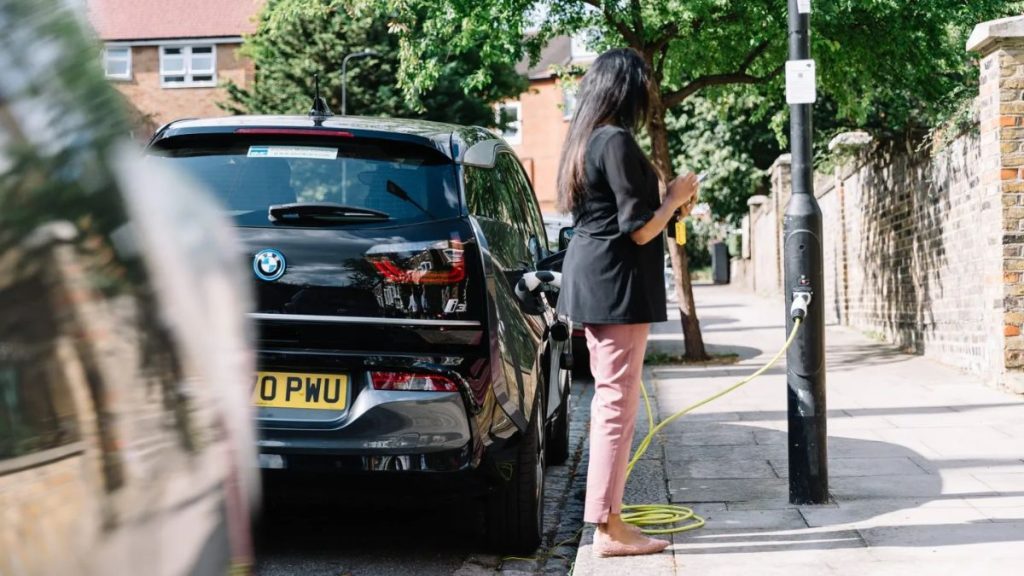
- Greater comfort with home, workplace, or destination charging
This is the cohort that will define EV demand for the next two decades. Their expectations around digital experiences and seamless charging infrastructure will drive competition across the industry.
Once Drivers Go Electric, They Stay Electric
One of the most decisive findings in BCG’s research:
71% of EV owners say their next car will also be an EV.
This confirms a familiar trend: the challenge isn’t satisfaction — it’s first-time adoption. Once drivers experience quiet performance, instant acceleration, lower running costs, and the convenience of home charging, very few want to return to petrol.
The EV market has a “ratchet effect”: uptake may be slow among some groups, but once consumers convert, retention is extremely high.
Cost and Charging Remain Barriers — But Mainly for Older Buyers
In markets such as the UK, BCG reports that among “never EVers”:
- 55% cite cost concerns
- 44% cite access to charging
- 33% cite range anxiety
For younger drivers, these issues still matte, but they’re less decisive. This is especially true as:
- Workplace charging expands
- EV prices continue to fall
- The used EV market matures
- Range improves year-on-year
For Gen Z and Millennials, EVs are becoming normal, not niche.
What This Means for the Future of EV Adoption
1. EV adoption will climb as younger generations become the majority of car buyers
As Baby Boomers leave the market and Gen Z enters it, the demographic foundation of the auto sector will tilt toward EV-ready drivers.
This alone will lift adoption over the next decade.
2. Automakers must adapt to digital-first buying behaviour
Younger buyers:
- Expect frictionless online purchasing
- Trust influencers and digital creators more than traditional advertising
- Prioritise software quality and user experience
- Switch brands quickly if a competitor offers better tech
This fundamentally changes how car brands position themselves in the EV era.
3. Charging networks must build where younger drivers live, work, and travel
BCG’s findings point toward charging demand hotspots:
- Dense urban areas
- University cities
- Suburbs with new-build homes
- Workplaces with large Millennial and Gen Z workforces
The next wave of infrastructure growth will follow demographic, not geographic, logic.
Messaging needs to shift
- Older drivers need reassurance about cost, reliability, and charging availability.
- Younger drivers need empowerment — fast charging, flexible tariffs, smart home energy, and seamless digital tools.
The industry must speak two different languages at once.
Why This Matters for the EV Sector
BCG’s findings are more than a snapshot — they’re a strategic forecast. The next 5–10 years of EV growth will be shaped not only by battery innovation or charging rollout but by demographic transformation.
The EV market isn’t shrinking. It’s transitioning from older, sceptical drivers to younger generations who will define the net-zero mobility era.
That’s why long-term EV adoption remains resilient. The future of electric cars will be shaped not by who drives today, but by who buys tomorrow.
Authored by Ade Thomas.