It’s time to start communicating EVs killer app: not that they are fast, or even that they move at all; but that they are as useful as static devices, sat on our driveways, as they taking us from A to B. Marketing communications teams position EVs as cleaner cars with lower running costs. But their most powerful financial benefit has nothing to do with driving. Our cars are better as immobile battery assets. In short, it’s time for comms teams to continually tell the story of how electric vehicles can lower energy bills.
In an increasingly vehicle-to-grid (V2G) energy system, electric vehicles will act as static battery assets, storing cheap electricity when supply is high and selling or using it when prices rise. For consumers, this means EVs can lower energy bills and even generate income, simply by being parked.
As energy prices remain volatile, this shift is becoming central to why the electric mobility transition works for consumers, and is the communications narrative the EV marketing communications community needs to actively communicate. It’s the definitive USP of EVs.
Electric vehicles are energy assets, not just cars
Most electric vehicles spend more than 90% of their time parked: at home, at work, or on the street. When connected to a smart charger, that parked EV becomes a powerful energy management device. With up to 70% of UK homes able to charge using a domestic charger, this is a big win, and one which marketing communications teams need to own.
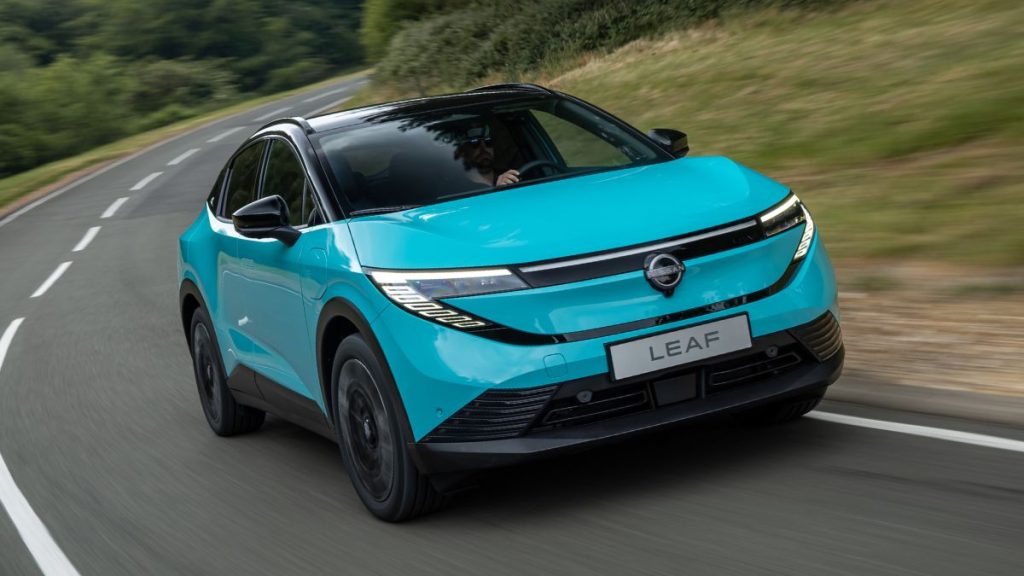
Vehicle-to-grid (V2G) technology allows electricity to flow both ways. EVs can: charge when electricity is cheapest; store surplus renewable energy; supply power back to homes or the grid during peak demand This turns an EV from a transport expense into a household energy asset. With companies like Nissan making V2G part of their 2026 plans, this is tech that is coming the way of the mainstream driver.
Pitching EVs as assets, as well as a means of transport is a next level story that marketing communications teams across manufacturers, energy companies, and domestic charging businesses. It’s also something dealerships should be selling it, and that will require a conceptual and process shift on behalf of car retailers.
When replicated across millions of vehicles, a massive disaggregated battery storage network, this flexibility will reduce wholesale energy costs and price volatility: savings that will ultimately flow back to consumers.
How much money can EVs save households?
While savings depend on tariffs, usage patterns and technology, modelling and early UK trials suggest realistic annual benefits for EV owners:
- £150–£300 per year from smart charging and peak-time avoidance
- £250–£320 per year from providing grid services via V2G
- £400–£600+ per year for households combining EVs with solar panels and flexible tariffs
These figures are expected to improve as V2G tariffs, chargers and vehicle compatibility expand across the UK.
The key point for marketing communications teams to add into their storytelling is simple: a parked EV can create financial value.

Why this message matters for EV adoption
Much of the EV conversation still focuses on emissions, range anxiety and charging infrastructure. These are important topics, but they are not what convinces mainstream consumers.
People adopt new technologies when they: lower costs; increase control over bills; reduce financial risk
Explaining that an EV can earn money or cut energy bills while parked fundamentally changes the value proposition. This is crucial at a time when friction is entering the system as a result of policy prevarication and more resistant consumer base in the early mainstream buyer.
This is a crucial comms reframing. It reconceptualises EVs from:
- A lifestyle change to a financial upgrade
- A car purchase to a home energy investment
- A climate decision to a cost-saving technology
This shift in communications is critical if the emobility transition is to work for everyday households, not just early adopters. Vehicle-to-grid technology makes the clean energy transition tangible, personal and financial. It does not rely on behaviour change or constant decision-making. It makes sense. Emobility marketing communications people, have as your storytelling DNA, how electric vehicles can lower energy bills.