Autonomy is the real endgame: Self-driving vehicles are software-defined machines that require stable, high-voltage electrical architectures: something internal combustion platforms were never designed to deliver.
Electric drivetrains enable reliable AI control: Instant, predictable power and fewer mechanical variables make EVs far better suited to the precision and repeatability autonomous systems demand.
Fleets, regulation and economics all point to EVs: Autonomous vehicles will scale through fleets under tight regulatory oversight, where EVs’ lower costs, digital traceability and uptime advantages make ICE a dead end.
he transition to electric vehicles has often been framed as a choice: cleaner air, lower running costs, or better performance. Those arguments have carried EVs far, but they are no longer the most important reason electric vehicles will dominate the future of mobility.
That final reason is autonomy.
Autonomous vehicles are not an evolution of the car as we know it. They are a fundamental redefinition of what a vehicle is. At their core, they are software-defined machines: rolling computers that make decisions in real time, powered by artificial intelligence and sustained computation. And once that reality is acknowledged, one conclusion becomes unavoidable.
Autonomous vehicles have to be electric.
Autonomy changes what a vehicle is
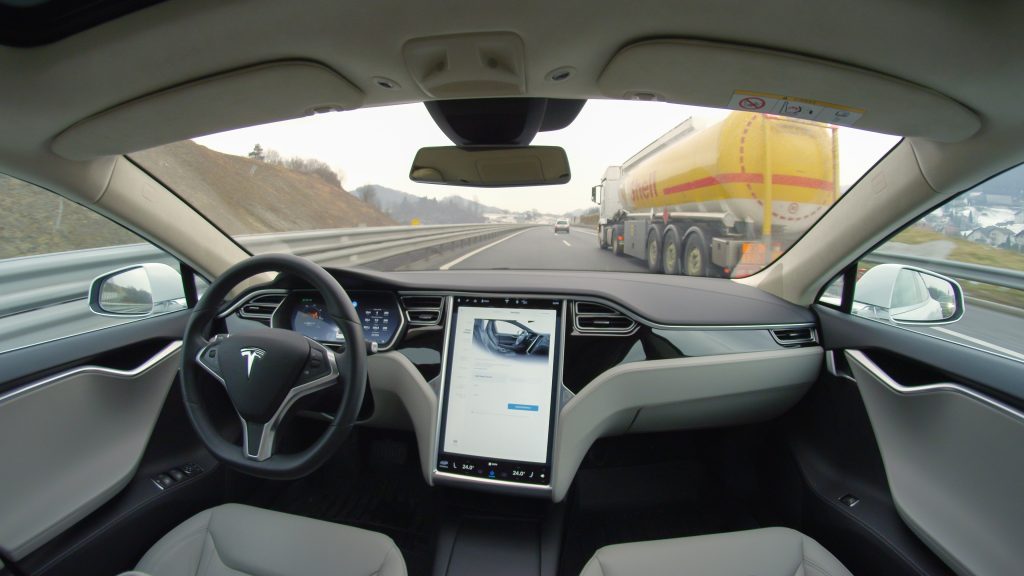
Self-driving cars are not simply traditional vehicles with sensors added on top. They rely on a permanent digital nervous system: cameras continuously interpreting the world, radar and lidar cross-checking distance and motion, and centralised compute platforms processing vast amounts of data every second.
All of this requires stable, predictable and always-available electrical power.
Electric vehicles are designed precisely for that environment. They are built around high-voltage electrical architectures, centralised computing, and software that already manages energy, performance and safety as integrated systems. Power delivery is instant, precise and digitally controlled.
Internal combustion vehicles were never designed for this role. Their electrical systems were built to support auxiliary functions: lights, infotainment, basic control units. Not the constant, mission-critical computation autonomy requires. Retrofitting autonomy onto an ICE platform introduces complexity, inefficiency and risk at exactly the moment when certainty matters most.
Software-defined vehicles demand electric drivetrains
In autonomous driving, predictability is everything. Software systems must know exactly how a vehicle will respond to every command, every time. Electric drivetrains deliver torque smoothly and instantly, without gear changes, combustion delays or mechanical variability.
That consistency matters. Autonomous systems trained on billions of miles of driving data rely on repeatable physical responses. Electric vehicles provide that by design.
Internal combustion engines introduce unavoidable uncertainty. Gear shifts, vibration, emissions control cycles and mechanical wear all create variables that software must compensate for. In a human-driven car, those variations are acceptable. In an autonomous one, they are liabilities.
This is why the most advanced autonomous vehicle programmes globally: from robotaxis to autonomous delivery fleets. These are all built on electric platforms. Not as a branding exercise, but because autonomy demands it. OEM leaders get this. ‘Electric vehicles are fundamentally digital products. Once you move to a software-defined vehicle, electrification is not optional:it’s essential.’ A direct quote from Jim Farley, CEO, Ford Motor Company.
Autonomous vehicles are energy systems, not just transport
Autonomous vehicles consume energy even when they are not moving. Sensors remain active. Compute platforms continue processing. Connectivity is constant. Vehicles may wait, reposition, self-diagnose or communicate with fleets without human input.
Electric vehicles treat energy as a digitally managed resource. Battery systems already balance propulsion, climate control, electronics and safety systems dynamically, in real time. This architecture fits autonomy naturally.
Internal combustion engines struggle here. Idling to power systems is inefficient and emissions-heavy. Stop-start cycles increase mechanical wear. Cold starts degrade components. These limitations are not edge cases, they are fundamental mismatches with autonomous operation.
Autonomy assumes efficiency, resilience and precision. EVs deliver all three.
Autonomous fleets accelerate the EV tipping point
Autonomy will scale first through fleets, not private ownership. Robotaxis, autonomous shuttles and logistics vehicles, as well as ride share fleets like Uber, will prioritise uptime, reliability and total cost of ownership above all else.
Electric vehicles excel in these environments. Fewer moving parts mean lower maintenance. Regenerative braking reduces wear. Software updates replace mechanical servicing. Energy costs are lower and more predictable than fossil fuels.
When vehicles operate almost continuously, these advantages compound rapidly. An autonomous internal combustion vehicle would combine the highest levels of mechanical complexity with the most demanding duty cycle: a poor engineering and economic fit.
Studies of autonomous and high-utilisation fleets consistently show battery-electric vehicles delivering 30–40% lower total cost of ownership than comparable internal combustion vehicles, driven primarily by reduced maintenance, higher uptime and lower energy costs.
For fleet operators, the choice is not ideological. It is mathematical.
Regulation will quietly favour electric autonomy
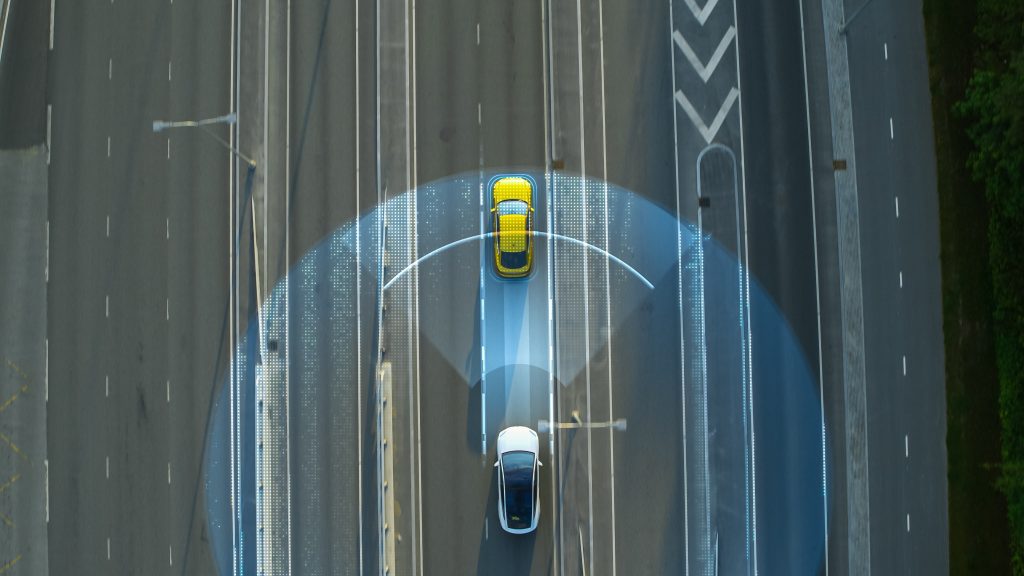
Autonomous vehicles will operate under intense regulatory scrutiny. Every decision, manoeuvre and incident must be logged, audited and explained. Electric vehicles already function as data platforms, continuously monitoring system health, energy use and performance.
This digital traceability aligns naturally with the regulatory demands of autonomy. Software-defined EVs can provide the transparency policymakers, insurers and cities will require.
Internal combustion vehicles, with fragmented control systems and mechanical dependencies, are far harder to instrument to this level of precision.
As autonomous regulation matures, platforms that are digitally native will have a structural advantage. Again, that points to electric vehicles.
Autonomy is the final forcing function
Electric vehicles do not win simply because they are cleaner, cheaper or quicker, although they are all three. They win because the future of mobility is autonomous, software-defined and electrically powered.
Autonomy removes the last technical justification for internal combustion engines. It exposes them as an architectural dead end in a world moving towards intelligent, connected transport systems.
When vehicles become computers on wheels, guided by AI and governed by software, their energy source cannot be mechanical combustion.
It must be electric.
Autonomous vehicles are not just compatible with EVs. They require them.