

This guest editor piece was written by Ben Macdonald, CEO of Nodum. You can find out more about Nodum’s charging solutions, here.
A once a century change in drivetrain is having profound ramifications across the world. This has garnered the interest of many pundits and politicians who are often focussed on geopolitical and economic changes and the subsequent ramifications. The shuttering of some factories in Europe and a potential onslaught of Chinese made EVs are providing a lot of gristle for decision makers to chew on.

However there is another, more hopeful, change that is also taking place which is partly driven by the electrification of transport. This change likely won’t have the same impact as the shift in manufacturing, however it does signal a beginning of a fightback against big bloated SUV blancmanges and supply chains that encircle the globe.
The quadricycle classification was officially crested when the European Union published Directive 92/61/EEC which decreed that quadricycles fall into the same category as mopeds. This has helped to establish a number of new and innovative business opportunities for a range of companies – from new and hungry startups, to OEMs such as Toyota.
Electric quadricycle (L7e and L6e) manufacturing has a much lower barrier to entry than a traditional M1 category vehicle. The amount of research and development needed to bring a light or heavy quadricycle to market is significantly less than that of a M1 category vehicle. In particular, the safety systems associated with them are much less onerous – but so too is the speed!
Alongside the Microlino ( a vehicle that has a rather special place in my heart), there are a bevy of new quadricycle manufacturers that are bringing products to market in Europe. In 2023 the Microcar Coalition included:
- Aixam
- Yo-Yo
- Microlino
- Kate
- Elm
- Austin
- Ligier
The rise of the crafted car
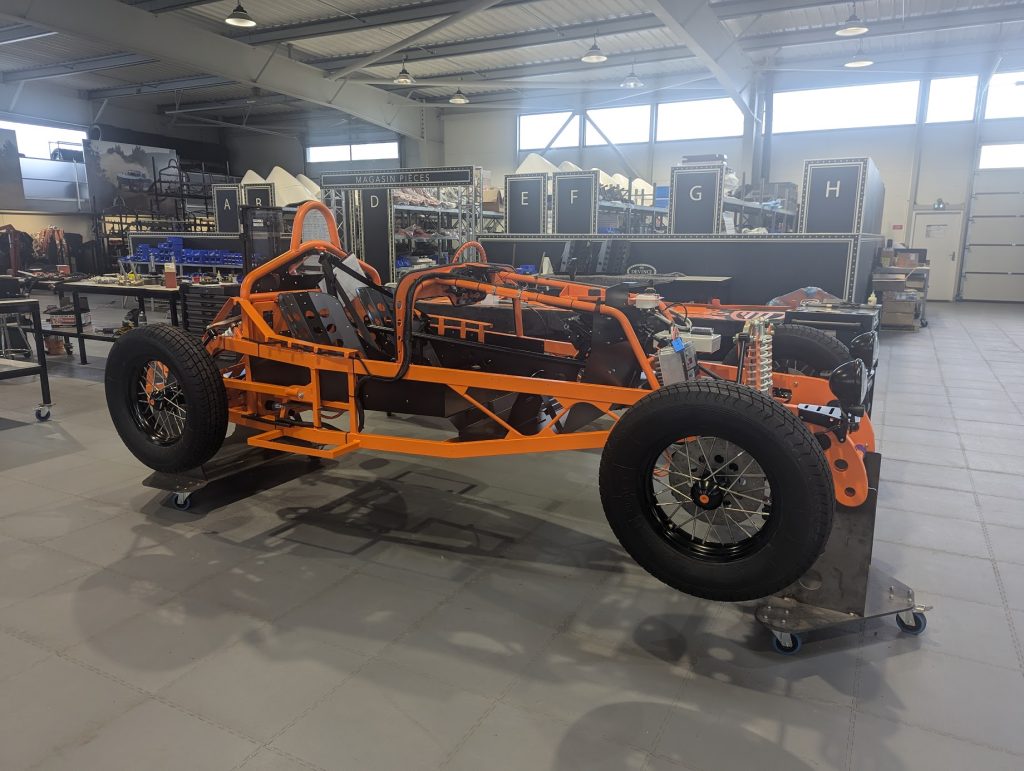
During a recent trip to France, I had the opportunity to visit the Devinci Motors factory. If you haven’t heard of Devinci I am not surprised. They carefully hand craft beautiful cars – seemingly using the shortest supply chains possible. This means that they primarily use French suppliers for their components.
As soon as you step into the factory you realise that this is somewhere special. Rather than anything that remotely resembles an assembly line, you are greeted by a showroom that feels more like a jazz lounge and a smiling Jonathan Rouanet serving some great coffee.
The background noise emanating from just over a partition, is one of unharried artisans carefully plying their respective trades.
After a quick tour of the factory and a bit of history about the project I was presented with the keys of one of the cars that they built back in 2021. All I was told was that I needed to have it back in the afternoon of the following day.
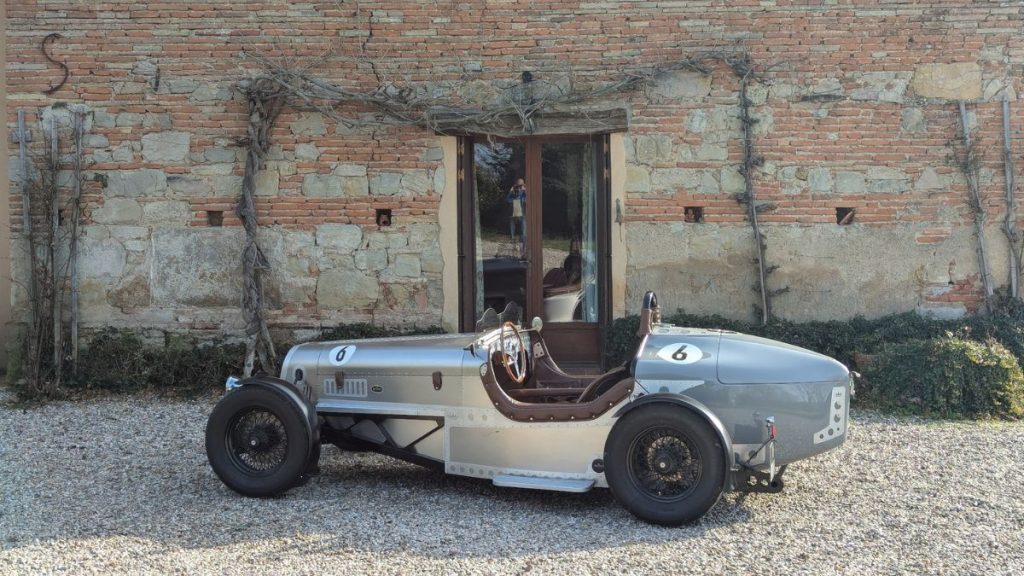
The first thing that you notice when you climb in is the seating position. There is an odd juxtaposition between feeling both low and snug in the car and open and exposed to the elements – there are no doors. The closest thing I have experienced is bombing home from school in a friend’s Triumph Spitfire in Aotearoa/NZ in the early 1990s.
Pulling out of the factory carpark the car felt sprightly – not in an insane, force-you-in-to the-back-of-your-seat and make-you-feel-sick kind of way. More just pure unadulterated fun and big beaming smiles. On the cold roads (it was February) there was the opportunity to spin the rear wheels a little.
Like all L7e vehicles, the Devinci is limited to 15kW – this equates to roughly 20HP in old money. To some folk this may seem somewhat laughable in terms of raw numbers – especially when you have a vehicle that has the purposeful stance that this has. Yet like so many things, it is how that power is delivered. A lot of work has been done on the throttle mapping to ensure that it delivers an exhilarating experience.
Driving over the narrow roads that snake over the rolling countryside in the Midi-Pyrennes was joyful. The car’s centre of gravity is perfectly in line with your hips resulting in a feeling of connection with the car that felt almost indecent.
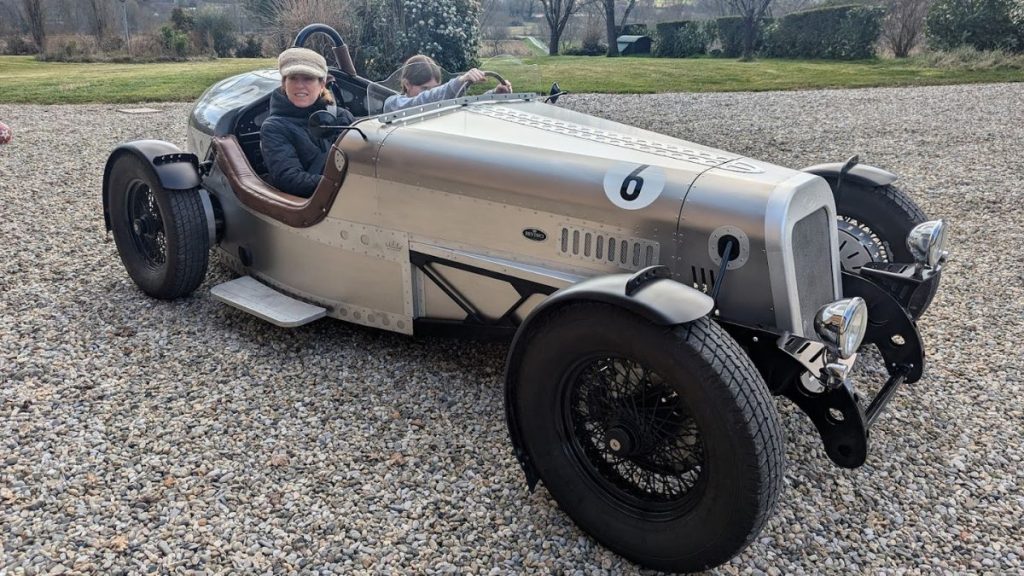
Some degree of credit for the setup can be given to the 1981 World Rally Champion Ari Vatanen who was involved in the development of the chassis and tuning of the suspension. This is not to take away any credit from the founder and the technicians, who clearly have expertise in this area. The end result is a package that inspires confidence – enough in my case to allow the rear end to step out around a few corners and allow me to apply a little more throttle and comfortably counter-steer back into shape.
My daughter loved this car. My partner loved this car. My Dad loved this car – so much so that he didn’t want to get out (although that might actually be because he couldn’t – old hips and knees – sorry Papa!)
Devinci have exported cars across the world – including to the Ivory Coast and Cambodia! Somewhat oddly, they haven’t sold any in the UK. I hope this changes soon, as I would love to see a few of these snaking down some country roads in the Cotswolds.
These cars made by Devinci are the antithesis to the gigacasting cookie cutting world of volume manufacturers. We certainly need both – one to provide utility and the other to provide joy and local jobs.
I look forward to seeing how this journey progresses.