
- SEAT’s Martorell plant aims to be cornerstone of Spain’s EV transition, with a new battery system assembly facility producing up to 300,000 batteries a year to support electric vehicle manufacturing for CUPRA and Volkswagen from 2026.
- The facility will power the launch of the CUPRA Raval and Volkswagen ID. Polo, positioning affordable, urban electric cars at the heart of Spain’s push to democratise electric vehicles and grow EV adoption.
- Low-carbon manufacturing underpins the strategy, with the Martorell site running on 70% solar energy, aligning Spain’s EV industrial growth with its broader decarbonisation and renewable energy ambitions.
Senior leadership signal EV intent
The inauguration of SEAT’s new battery facility, the SEAT Martorell electric vehicle manufacturing assembly plant, near Barcelona, marks a pivotal moment for Spain’s electric vehicle transition. The facility positions SEAT and CUPRA at the centre of the country’s electrification push, and underlines the Volkswagen Group’s long-term commitment to an all-electric future: a story ElectricDrives first covered in May, 2025.
At a time when concerns persist around a perceived slowdown in Europe’s EV adoption, the message from Martorell could not be clearer. Speaking at the launch, Thomas Schäfer, CEO of Volkswagen Passenger Cars, left little room for ambiguity: “The future is electric, and it starts here.” He added, emphatically, “Let me be very clear: the future is electric.”

From Martorell to the Streets: CUPRA Raval and Volkswagen ID. Polo
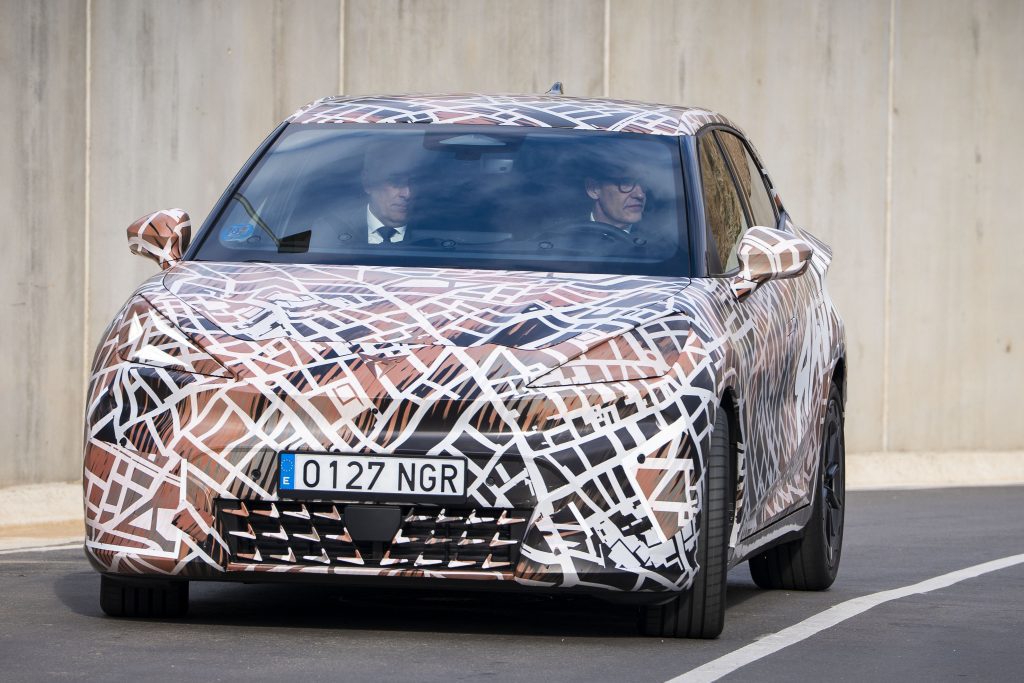
The new battery facility will support series production of two key electric models from 2026 onwards: the CUPRA Ravaland the Volkswagen ID. Polo. Both vehicles sit at the heart of Volkswagen Group’s Electric Urban Car strategy: a project designed to democratise electric mobility across Europe.
The CUPRA Raval, which is expected to go on sale in 2026, will launch in three variants:
- Raval VZ Extreme: 166 kW of power, approximately 400 km (248 miles) of range
- Raval Dynamic Plus: 155 kW, up to 450 km (279 miles) of range
- Raval Dynamic: 155 kW, up to 450 km (279 miles), positioned as the most accessible entry point
With a starting price of around €26,000, the Raval is designed to be both CUPRA’s and Spain’s spearhead for mass-market electrification, targeting the fast-growing urban EV segment.
Markus Haupt, CEO of SEAT and CUPRA, sees the Raval as a catalyst for Spain’s near-term EV growth: “With the inauguration of this facility, we now see our ambition realised,” he said. “We are ready to produce 100% electric cars made in Spain, helping to make electric mobility more accessible through a new generation of urban EVs.”
A Gigafactory at the heart of Spain’s decarbonisation
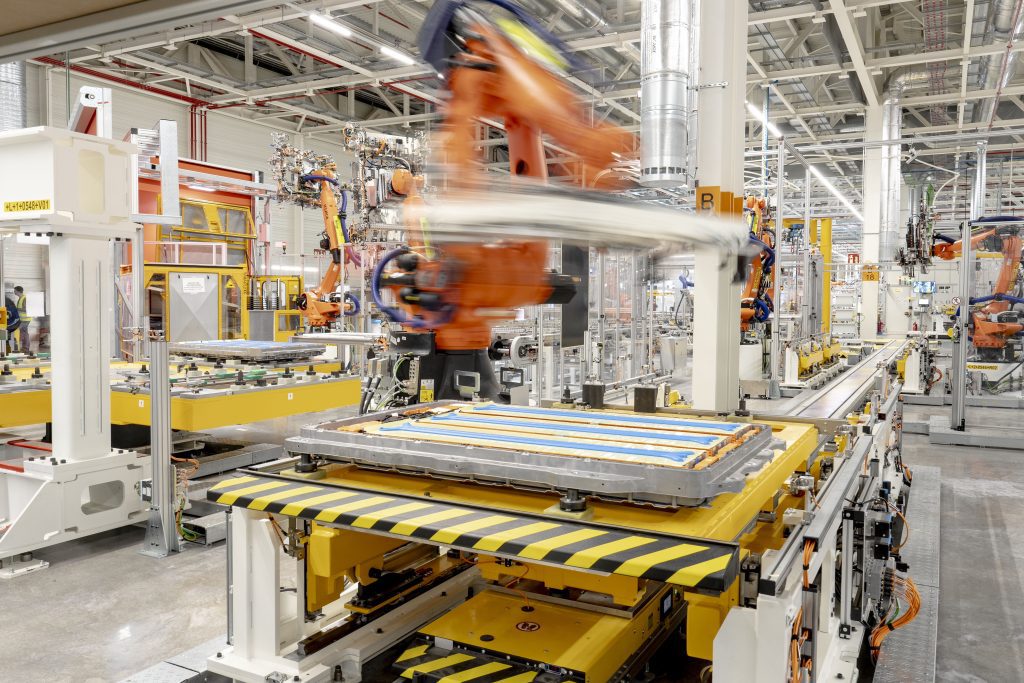
The Martorell battery system assembly plant will produce up to 300,000 battery systems per year, supplying its neighbouring vehicle production lines via a 600-metre enclosed bridge: a physical and symbolic artery of Spain’s decarbonisation journey.
At full capacity, the plant will assemble one battery system every 45 seconds, equating to around 1,200 batteries per day.
Across the wider Volkswagen Group, plans are already in place for four fully electric models from three different brands, all manufactured in Spain. Martorell is the cornerstone of that ambition.
Spain’s Electric Vehicle Market: Untapped Potential
Spain remains a market with significant headroom for EV growth. Fully electric vehicles currently account for around 8% of total car sales in 2025 (year to date), well below several northern European markets.
As a result, the opportunity there is substantial. Spain’s Auto 2030 Plan aims for 95% of vehicles produced in the country to be electric by 2035, supported by multi-billion-euro public and private investment. The strategy includes:
- Direct consumer subsidies for EV purchases
- Large-scale rollout of public charging infrastructure
- Industrial support for Spain’s automotive sector, which contributes roughly 10% of national GDP
The Spanish government has committed €400 million in EV purchase incentives and a further €300 million for charging infrastructure, with Prime Minister Pedro Sánchez emphasising affordability for middle- and working-class households.
International competition is intensifying. Chinese EV manufacturers are gaining traction, with BYD selling more than 22,300 vehicles in Spain during the first 11 months of 2025, a year-on-year increase of over 450%. At the same time, Spain faces manufacturing pressure from lower-cost Eastern European markets such as Hungary.
Against this backdrop, large-scale domestic investments like Martorell are strategically critical.
Low-carbon EV manufacturing powered by the sun
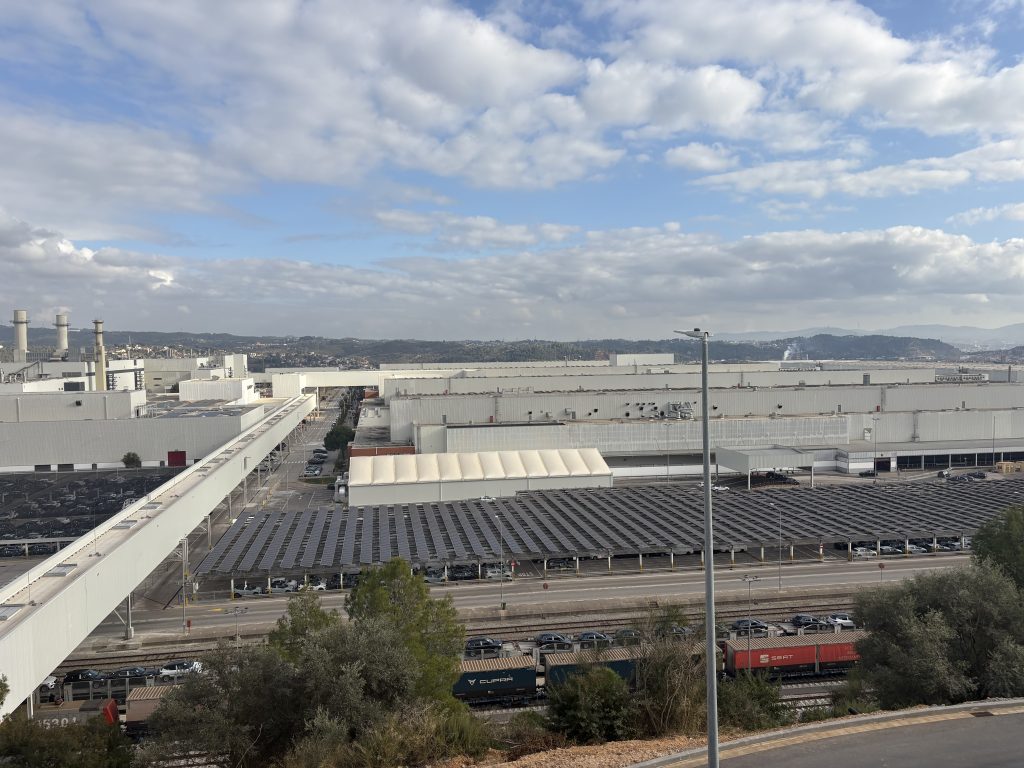
Electrification at Martorell extends well beyond the vehicles themselves. The facility is powered by approximately 70% on-site solar energy, with vast solar canopies covering parking areas and logistics zones.
Spain’s abundant solar resource is becoming a competitive advantage. In 2024, solar power was the country’s third-largest source of electricity, behind wind and nuclear. During peak summer months in mid-2025, solar PV has accounted for up to 25% of national electricity generation.
As EV manufacturing continues its journey towards net-zero emissions, and Martorell stands out as a blueprint for low-carbon, high-volume electric vehicle production — and a clear signal that Spain intends to play a leading role in Europe’s electric future.
Authored by Ade Thomas